

Ajith Kumar (1985)
Dear Fellow Members of the NITCAA family,
It gives me immense delight to share with you all my experience of making my first documentary film, Jalamudra (Watermark), scripted, directed and co-produced by me.
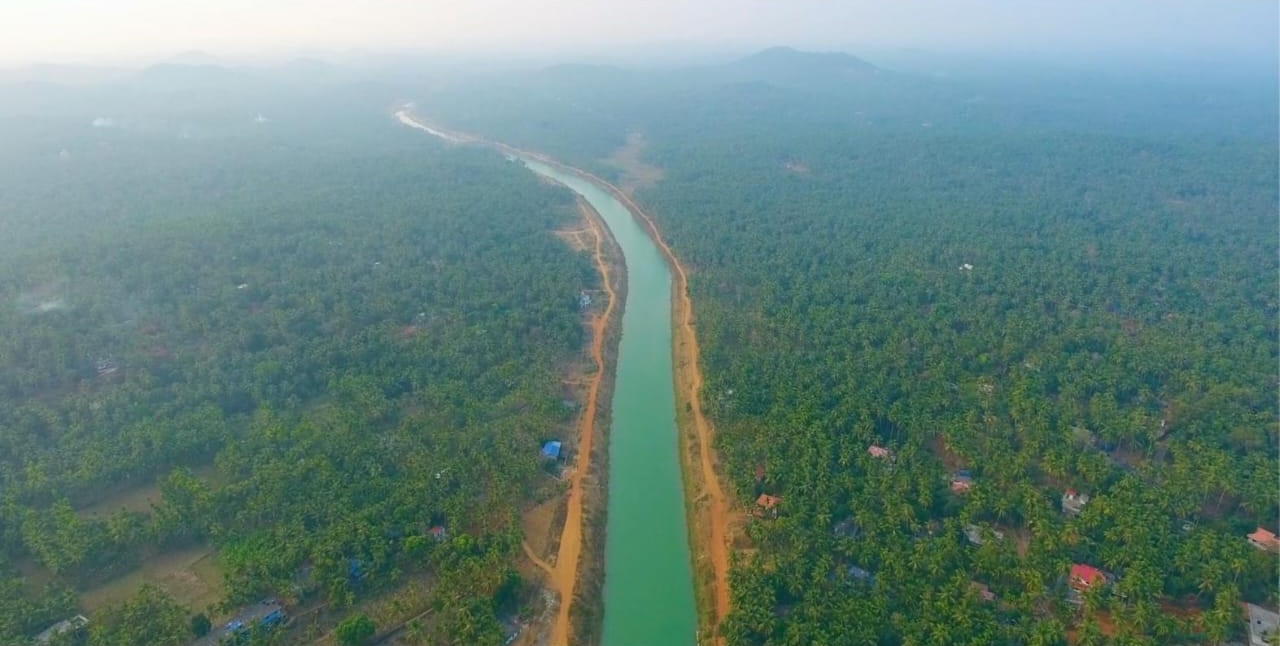
Jalamudra is the result of a fifteen-year personal and creative journey—an exploration into the forgotten veins of Kerala’s history, running 600 kilometres along the spine of the state through the West Coast Canal.
What drew me to this project was not just the canal itself, but the silence surrounding it. Primary data was elusive, scattered like the state’s own lakes—beautiful, disconnected, and waiting to be mapped. I spent years sifting through dusty archival records from the British Raj, as well as the erstwhile princely states of Travancore and Kochi. Every curve, bend, and shadow of this waterway had a story to tell.
In the course of filming, I met people whose memories flowed like the canal itself—unfolding tales of its vibrant past. Their voices, travelling from the southern backwaters to the northern inlets, carried subtle shifts in dialect and emotion. These recollections became an oral map, an unseen current in the narrative.
As I stood under rusting iron bridges or among the moss-covered ruins of ancient forts, the canal spoke to me—urging its story to be told. From those broken bastions, I imagined the silhouettes of cannons, the scent of oiled rifles, and the ghostly presence of trade vessels cutting through the water.
Jalamudra, an independent production, is the result of a deeply personal labour of love, carved out with patience, persistence, and an unwavering belief in the story that these waters wanted to share.
Ajith Kumar
1985 Batch, Civil Engg.
REC Calicut.
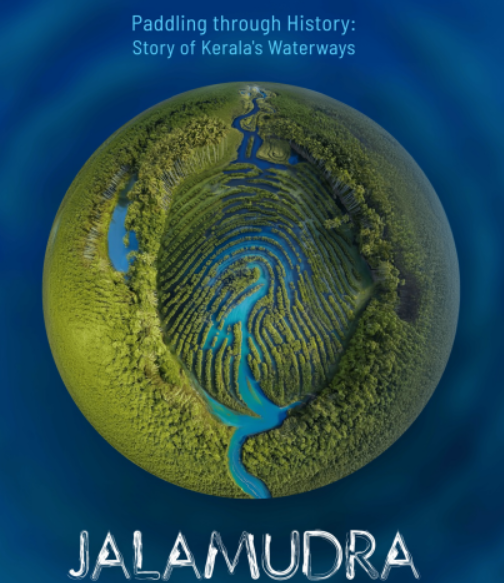
Jalamudra (Watermark) uncovers the forgotten lifeline of Kerala’s inland canal system—once a vital artery of trade and culture—tracing its colonial past, architectural marvels, and enduring legacy in a poignant journey through history, heritage, and water.
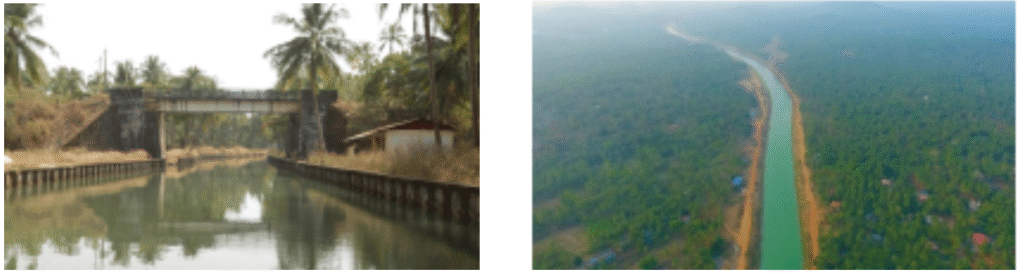
Jalamudra (Watermark) delves into the rich, yet often overlooked, history of Kerala’s inland navigation canals, with a particular focus on the West Coast Canal—a waterway that stretches across the length of the state. Once a vital artery for spice-laden vessels, this canal system is lined with colonial-era forts and warehouses established by the Portuguese, Dutch, British and the French.
Ashtamudi Lake, Kollam A Navigation Lock between two Lakes
As the film journeys along this historic waterway, it explores the cultural and architectural significance of cities along the route. Among its highlights are navigation locks with mechanisms reminiscent of Leonardo da Vinci’s designs and awe-inspiring tunnels carved through the cliffs of Varkala—rare engineering feats in the Indian subcontinent.
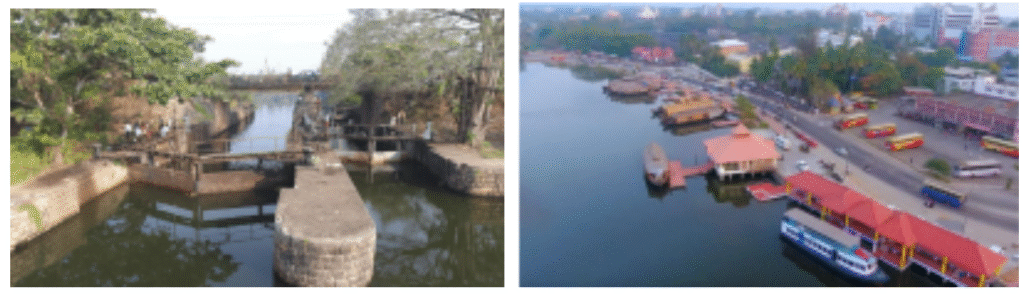
Ashtamudi Lake, Kollam A Navigation Lock between two Lakes
Jalamudra expands its scope to draw connections between Kerala’s local water routes and landmark developments in global maritime history, referencing the Suez and Panama Canals, as well as the ancient canal systems of the Egyptian Pharaohs.
Beyond historical grandeur, the film captures the enduring craftsmanship of traditional boat making and the spirited boat races that continue to animate Kerala’s backwaters. It also confronts the darker chapters of canal history, including the assassination of Henry Valentine Connolly, the Malabar Collector instrumental in developing the Canoli Canal.
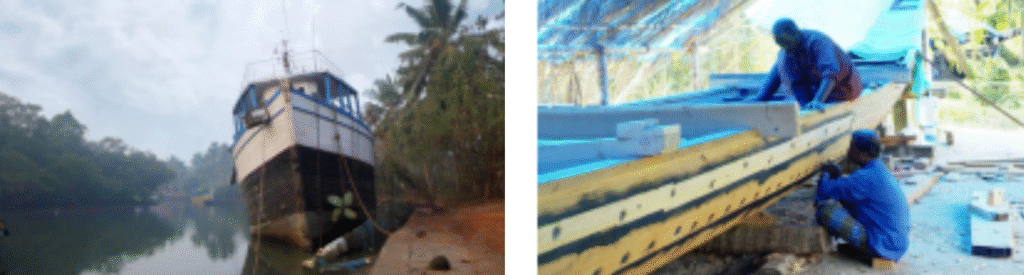
A huge Snakeboat being crafted Beypore Uru
Despite the current challenges of clogging and neglect, the film marvels at how this meandering canal continues to weave together the cultural and social fabric of Kerala.